Beyond the Pitch: Understanding the Human Element in Football Transfers
In the high-octane world of professional football, where multi-million-pound transfers dominate headlines and player performance is meticulously scrutinized, it's easy to overlook the individuals beneath the jerseys. Fans, media, and even clubs often perceive players as assets, their careers dictated by strategic moves, financial incentives, and on-field success. However, behind every dazzling goal and every critical tackle lies a person grappling with complex personal choices, family commitments, and the pursuit of a fulfilling life. This often-ignored human element significantly influences the career trajectories of even the most decorated stars, including those at footballing giants like Manchester City. The pressure on elite athletes is immense, not only to perform but also to conform to expectations of loyalty and dedication to their club. Yet, as recent insights from Manchester City players suggest, these expectations are not always reciprocated, prompting what some describe as "selfish decisions" – choices made not out of malice, but out of necessity for personal well-being and family stability.Manuel Akanji's Candid Take: The "Selfish Decision" Debate
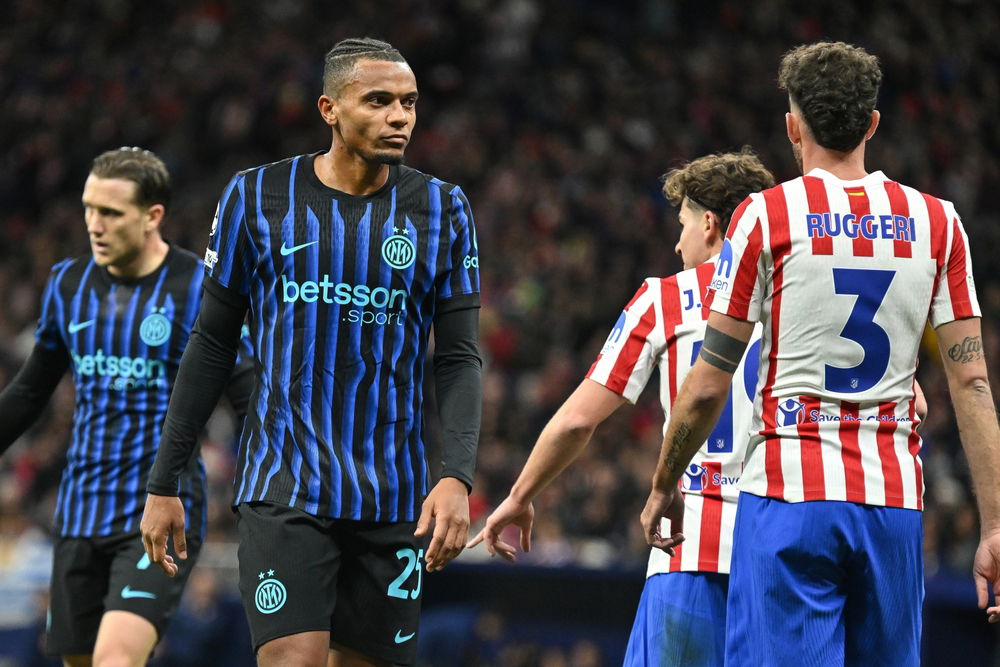
Manuel Akanji, the accomplished Swiss international defender, offers a compelling illustration of this modern footballing dilemma. After his move from Manchester City to Inter Milan on loan, Akanji spoke openly about the multifaceted challenges players face. His initial period in Italy wasn't without its difficulties, but he has since thrived at the San Siro, making a significant impact in 28 matches under manager Cristian Chivu. Akanji's reflections are particularly insightful regarding the interplay between professional obligation and personal responsibility. He candidly admitted that relocating his family to Italy presented unique hurdles compared to his earlier move to England in 2018. The crucial discussions held with his wife before the transfer, and the added layer of complexity that parenting three children brings, underscore the profound influence of family on such monumental career shifts. For Akanji, these are not just professional moves but seismic life events that demand careful consideration of every family member’s needs. It was during these reflections that Akanji articulated his perspective on player loyalty. He observed a notable imbalance: while clubs demand unwavering loyalty from their players, this sentiment is not always reciprocated by the institutions themselves. This perceived one-sided expectation has led him to contemplate what he terms "selfish decisions." Far from being a negative or self-serving act, Akanji frames these choices as sometimes necessary actions taken to safeguard his and his family's best interests, even if not universally understood by outsiders. This perspective illuminates why Manuel Akanji Challenges Loyalty: Why Man City Players Make "Selfish Decisions", highlighting a prevalent theme among modern professional athletes.The Family Factor: A Complex Equation for Man City Stars (and Others)
The impact of family on a footballer's career choice cannot be overstated. For players like Akanji, with young children, decisions about transfers become intertwined with critical life considerations:- Education and Stability: Moving children to a new country often means disrupting their schooling, learning new languages, and adapting to different educational systems. Parents naturally prioritize stability and quality education for their offspring.
- Spousal Support and Career: A player's partner may also have their own career or established social networks that are uprooted by a move. Ensuring their well-being and opportunities is vital for family harmony.
- Cultural Adaptation: Beyond language, integrating into a new culture, finding suitable housing, and building a new support system can be incredibly stressful for the entire family. The comfort and happiness of loved ones directly influence a player's mental state and, subsequently, their performance on the pitch.
- Emotional Well-being: Homesickness, loneliness, or difficulties in adaptation experienced by family members can weigh heavily on a player, impacting their focus and enjoyment of the game. A happy home life often correlates with peak athletic performance.
Navigating Loyalty and Career Longevity: A Modern Footballer's Conundrum
The concept of loyalty in modern football is undeniably complex. Clubs, while demanding commitment, routinely make decisions that prioritize financial gain or sporting advantage over a player's long-term comfort or emotional attachment. Players are traded, loaned out, or even released without much sentimental consideration when their performance drops or a better option arises. This transactional reality necessitates that players, too, adopt a pragmatic approach to their careers. With a relatively short playing lifespan, typically peaking in their late twenties and often retiring by their mid-thirties, footballers have a limited window to maximize their earnings, achieve sporting success, and set up their families for life after football. This urgency often fuels what might be perceived as "man city selfish decisions," but are, in essence, strategic career moves for long-term security. Akanji's situation perfectly encapsulates this dilemma: despite committing to Inter Milan, his contract with Manchester City extends until 2027. This creates a fascinating "loyalty paradox" where a player is expected to be loyal to multiple entities simultaneously, or at least navigate contractual obligations while performing for another club. He is focused on his present performances, yet implicitly hints at future questions, emphasizing the importance of living in the moment while keeping an eye on the bigger picture. This evolving dynamic is a core challenge in the sport, making Modern Football's Dilemma: Akanji's Bold Stance on Player Loyalty and Transfers a critical topic for discussion.Strategic Career Planning: Advice for Players and Clubs Alike
Understanding the personal factors that influence a footballer's career choices is crucial for both players and the clubs they represent.For Players: Empowering Personal Choices
Players need to be proactive in managing their careers and personal lives:
- Prioritize Family: Involve family members in significant career discussions. Their happiness and stability are paramount for a player's overall well-being and performance.
- Seek Expert Guidance: Utilize agents, financial advisors, and even family relocation specialists who understand the unique challenges of international moves. Don't hesitate to seek psychological support for both yourself and your family.
- Understand Your Value: Recognize your worth both on and off the pitch. While loyalty is admirable, a player's career is finite. Making informed "man city selfish decisions" for long-term benefit is a valid strategy.
- Communicate & Plan: While clubs have their agendas, transparent communication where possible about personal needs can help manage expectations. Have a clear idea of your career goals and what compromises you're willing to make.
- Focus on the Present: As Akanji noted, living in the moment and performing to the best of your ability is key, regardless of future uncertainties.
For Clubs: Fostering Genuine Loyalty
Clubs that recognize and support the human element can cultivate stronger, more lasting relationships with their players:
- Comprehensive Support Systems: Offer robust relocation packages, language lessons, schooling assistance, and mental health resources for players and their families. Proactive support can significantly ease transition stress.
- Open Communication Channels: Create environments where players feel comfortable discussing personal challenges without fear of reprisal. Acknowledging their human needs builds trust.
- Reciprocal Loyalty: While it's a business, demonstrating loyalty to players—especially those who have served the club well—can foster a sense of mutual respect and encourage others to commit. This means considering a player's long-term interests where feasible.
- Beyond the Contract: Investing in a player's family life and personal development shows genuine care, which often translates into greater dedication on the pitch.